A problem can suddenly make sense when you change how you look at it. Puzzle and deduction games create that pleasure through different skills, including observation, organization, and experimentation.
These picks emphasize discovering a way of thinking rather than executing a routine quickly. The descriptions introduce each approach without giving away solutions or central revelations.

Portal 2
Developer: Valve · Official / store information
Two connected portals make walls and floors into possibilities rather than simple boundaries. Working out movement and how to transport objects changes the way you read each test chamber. Humor accompanies the new mechanisms, while a separate cooperative campaign lets two players reason through the space together.
- Best for
- Players who enjoy thinking about connected spaces
- When to play
- When you want to rethink what a room allows

Baba Is You
Developer: Hempuli Oy · Official / store information
Word blocks on the board determine the rules, and pushing them can change what objects do or what counts as the goal. Progress often begins by questioning an assumption you treated as fixed. The small boards hide substantial possibilities, making this a good fit for players who enjoy revising their own understanding.
- Best for
- Players who like questioning apparently fixed rules
- When to play
- When you want a problem that overturns assumptions
The Witness
Developer: Thekla, Inc. · Official / store information
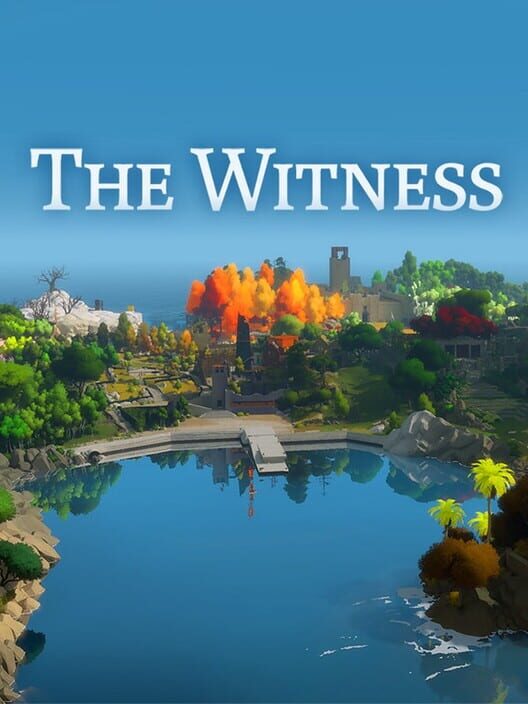
Exploring an island of puzzles invites you to learn patterns through observation and use those ideas elsewhere. A new understanding can make an earlier problem worth reconsidering. It rewards players who would rather look for relationships themselves than have every rule immediately explained, with the surroundings becoming part of that attention.
- Best for
- Players who like discovering patterns through observation
- When to play
- When you want quiet space for experimentation

Return of the Obra Dinn
Developer: Lucas Pope · Official / store information
An apparently abandoned ship becomes a collection of past scenes from which to infer identities and fates. Clothing, positions, and who appears together can matter alongside dialogue. Understanding individual people gradually helps you make sense of the voyage, rewarding careful organization of evidence rather than guesses alone.
- Best for
- Players who enjoy organizing fragmented evidence
- When to play
- When you want to take notes on an intricate mystery
Patrick's Parabox
Developer: Patrick Traynor · Official / store information
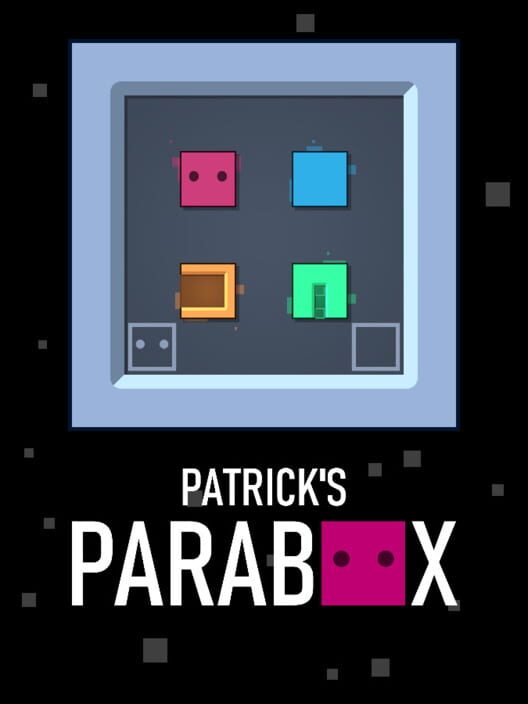
The boxes you push also contain spaces you can enter, linking the view outside with the layout inside. That recursive relationship turns familiar box pushing into a different sort of route planning. It is satisfying for players who enjoy building an understanding of one unusual system through successive small problems.
- Best for
- Players curious about recursive spaces and box puzzles
- When to play
- When you want to understand an unusual system
The Room
Developer: Fireproof Games · Official / store information
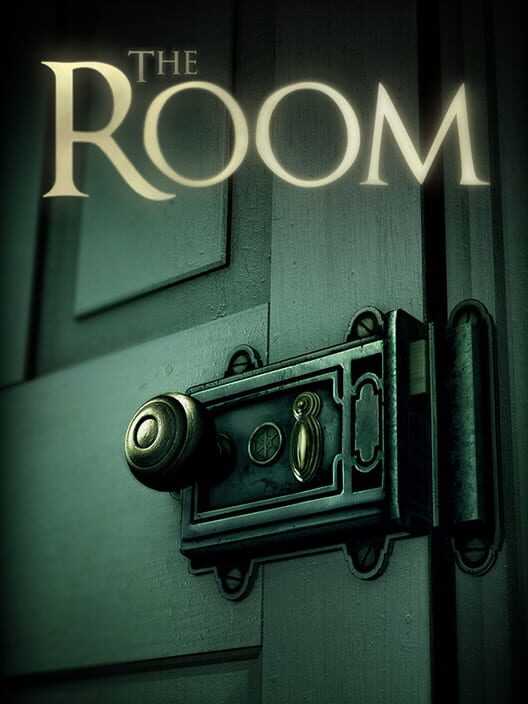
Examining unusual devices turns markings and movable parts into clues for what to try next. Rotating, opening, and inspecting objects gives the puzzles a tactile focus. Rather than crossing a large world, you spend attention on what is close at hand, much like investigating an elaborate mechanical puzzle box.
- Best for
- Players who enjoy closely inspecting intricate mechanisms
- When to play
- When you want to concentrate on a puzzle box

The Case of the Golden Idol
Developer: Color Gray Games · Official / store information
Investigating scenes of strange deaths asks you to connect people, motives, and events. The important work is interpreting what the scene contains and forming an account of what happened. Individual cases also contribute to a larger story, making it appealing to players who value deduction over investigative action sequences.
- Best for
- Players who want to reconstruct events from evidence
- When to play
- When you want to compare suspicious details

Chants of Sennaar
Developer: Rundisc · Official / store information
Traveling through a tower of divided peoples means interpreting unfamiliar writing through actions and context. Comparing where a symbol appears gradually makes conversations more understandable. Solving a puzzle therefore feels connected to understanding another community, a distinctive appeal for players curious about language and culture.
- Best for
- Players who enjoy inferring language from context
- When to play
- When you want the pleasure of understanding new words
Cocoon
Developer: Geometric Interactive · Official / store information
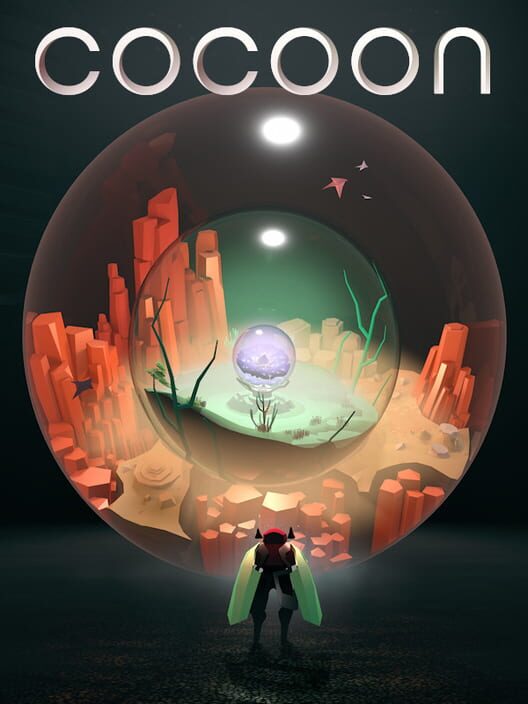
Each carryable orb contains a world, so moving between its inside and outside changes the role it plays. Something that was a whole environment can become a tool elsewhere. Combining the orbs' abilities invites you to study relationships between spaces and experiment with unfamiliar mechanisms.
- Best for
- Players who like puzzles about worlds within worlds
- When to play
- When you want to explore strange spatial connections
Start with spatial puzzles if you enjoy relationships between shapes, or deduction if you prefer organizing people and events. A familiar way of thinking can lead you to an unfamiliar kind of game.
Stepping away from a difficult problem can be part of the process. Remembering a discovery you made yourself can be a lasting reason to include a puzzle game in your own nine choices.